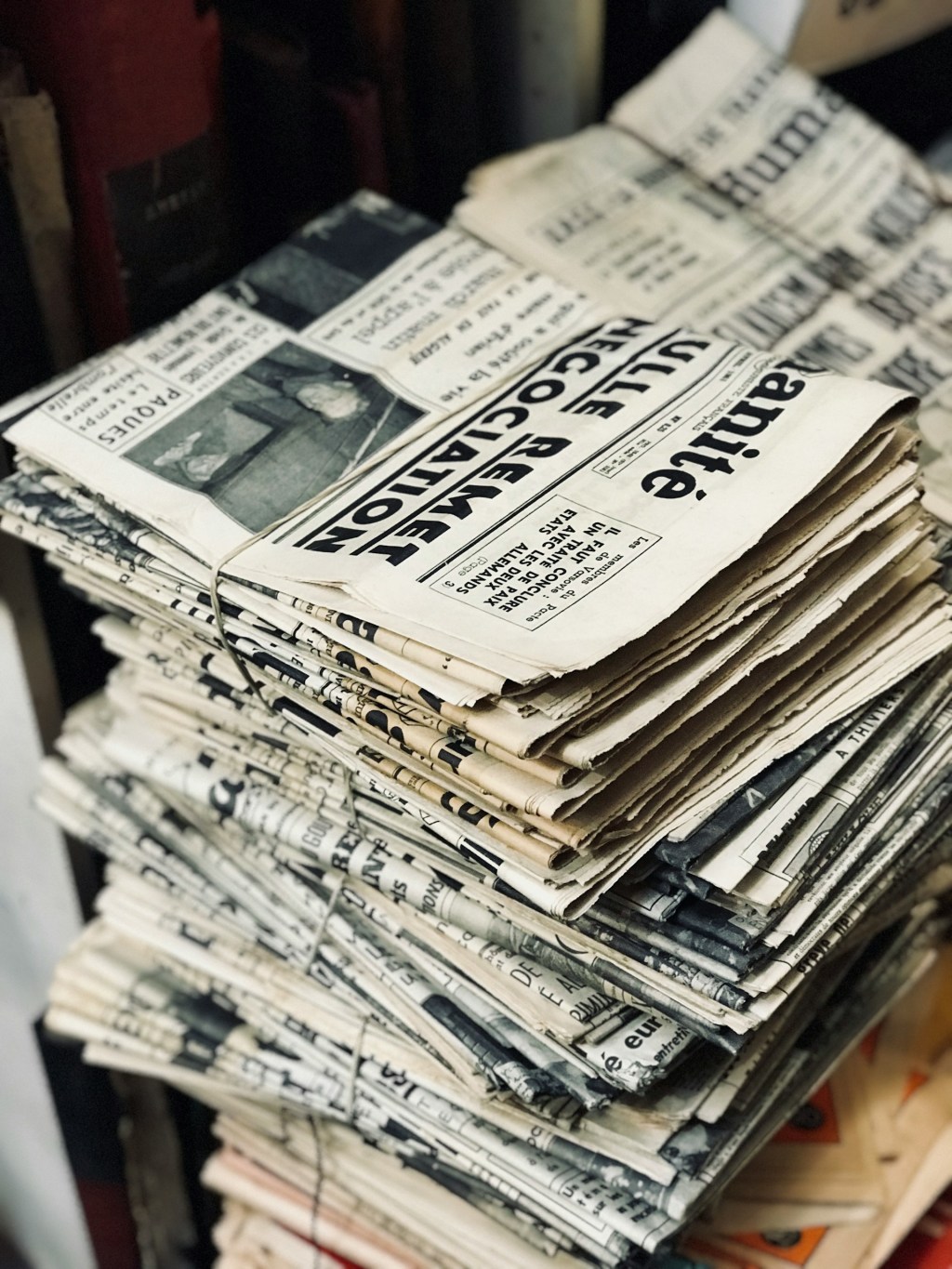
I didn’t sleep very well on Tuesday night. I was reading too much news before bed, mostly about the U.S. election. I found myself picking up my phone through the night, refreshing for updates. It was a habit I hadn’t had since COVID. When I became unhealthily obsessed with the constant flood of news and couldn’t stop refreshing Twitter.
In today’s world, news moves fast. The 24-hour news cycle bombards us with headlines, each one demanding our immediate attention. Everything is a crisis. We feel compelled to know it right now. The urgency of breaking news has never been stronger.
I’m not sure it makes us more informed. It only leaves us more anxious. I can’t tell you how many times I’ve been glued to my phone, refreshing Twitter for the latest updates. During major events, this feeling of “I need to know now” becomes even more overwhelming. The truth is, this constant flow of information often leaves us feeling more confused, stressed, and disconnected.
Now imagine the opposite: slow news.
What if we took a step back? We wouldn’t feel the need to check every headline, every new update, or every tweet. Instead, we could consume news with intention. Digesting it slowly, looking for depth, reflecting on its meaning, and engaging in thoughtful conversation.
In the midst of my news habit, I eventually picked up a book called Stop Reading the News by Rolf Dobelli,. It really helped me take a step back from my phone and social media.
Dobelli’s big insight is that today’s 24-hour news cycle is designed to keep us clicking. It is less focused on giving us clarity. It’s less about keeping us informed. It’s more about delivering a steady stream of updates, drama, and soundbites. These often come with minimal depth or context.
Being glued to breaking news isn’t just exhausting, it often blinds us to the bigger picture. I love acronyms because they help me remember things. This goes back to the days of my GCSE revision! I developed this one to help me to remember to consume news more mindfully.
PAUSE : a quick way to remind me keep news engagement thoughtful, grounded, and intentional.
- Prioritise: Not every story deserves our attention. With endless headlines competing for clicks, choose a few issues that genuinely matter to you. Skip the hype and avoid the cycle of constantly checking.
- Absorb: Slow down and really absorb stories you care about. Instead of skimming, dive deeper and take in the context. It’s far more enlightening than scanning endless headlines.
- Understand: Seek different perspectives, even (or especially) if they challenge your own. In today’s soundbite-driven media, it’s easy to overlook nuance – this step helps us see the full picture.
- Step Back: Boundaries matter. Instead of checking for updates constantly, maybe set a specific time once or twice a day to catch up.
- Engage: Use what you learn to connect with your values or take small actions. That way, you’re not just passively consuming; you’re processing information in a meaningful way.
Back in the day, newsrooms have gatekeepers, editors and journalists who curated stories with intention. Not always in a positive way mind. But today’s environment of citizen journalism and real-time media has shifted the focus to grabbing attention, often at the expense of quality.
As a result, we’re exposed to a relentless stream of stories, often with sensationalist angles designed for maximum clicks. By taking a moment to PAUSE, we can reclaim how we engage with the news and make it a less frantic, more thoughtful experience.
 By Eve Bell
Leave a comment